
Lockheed Martin projects potential $1 billion loss on classified program
Lockheed CFO Jay Malave said the company currently expects the program to become profitable on an annual basis around the 2028 timeframe.
Lockheed CFO Jay Malave said the company currently expects the program to become profitable on an annual basis around the 2028 timeframe.
The Missile Defense Agency recently accelerated plans to pick a winning vendor, a decision previously planned for next year.


APKWS® laser‑guidance kit provides reliable precision‑guided munitions across missions and platforms, delivered quickly to meet evolving operational demands.

MDA Chief Lt. Gen. Heath Collins told lawmakers the sharply accelerated schedule was a result of budget constraints paired with agency confidence in its "in-depth" knowledge of competitors Northrop and Lockheed's designs even before formal design review.

The MDA request includes $105 million for the Long Range Discrimination Radar (LRDR), slightly more than the $103.5 requested in FY24. LRDR, deemed a critical capability by US Northern Command (NORTHCOM)/NORAD leaders, will transfer to the Space Force to begin operations in FY25.
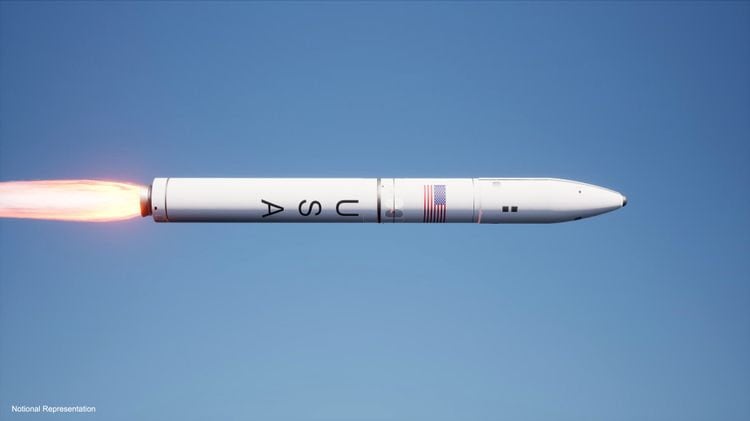
MDA is expected to stage a down-select to one NGI competitor following critical design reviews, now slated for 2025, of both the Northrop Grumman and Lockheed Martin prototypes.

The first Lockheed Martin NGI is forecast for delivery to the warfighter as early as fiscal 2027, according to the company.


Decentralized Embodied Collaborative intelligence enables better reconnaissance, logistics and combat capabilities.

MDA Acting Director Rear Adm. Doug Williams said that the agency's plans include beginning tests of its Next-Generation Interceptor in 2027, "with the anticipation of operational testing of NGI at the end of 2029."

MDA's goal is to field the Next-Generation Interceptor to replace its current Ground-Based Interceptors by 2028.


Given its mission and criticality, execution speed will enable MDA to make a down-select and award a production contract so NGI can be fielded before it’s needed.
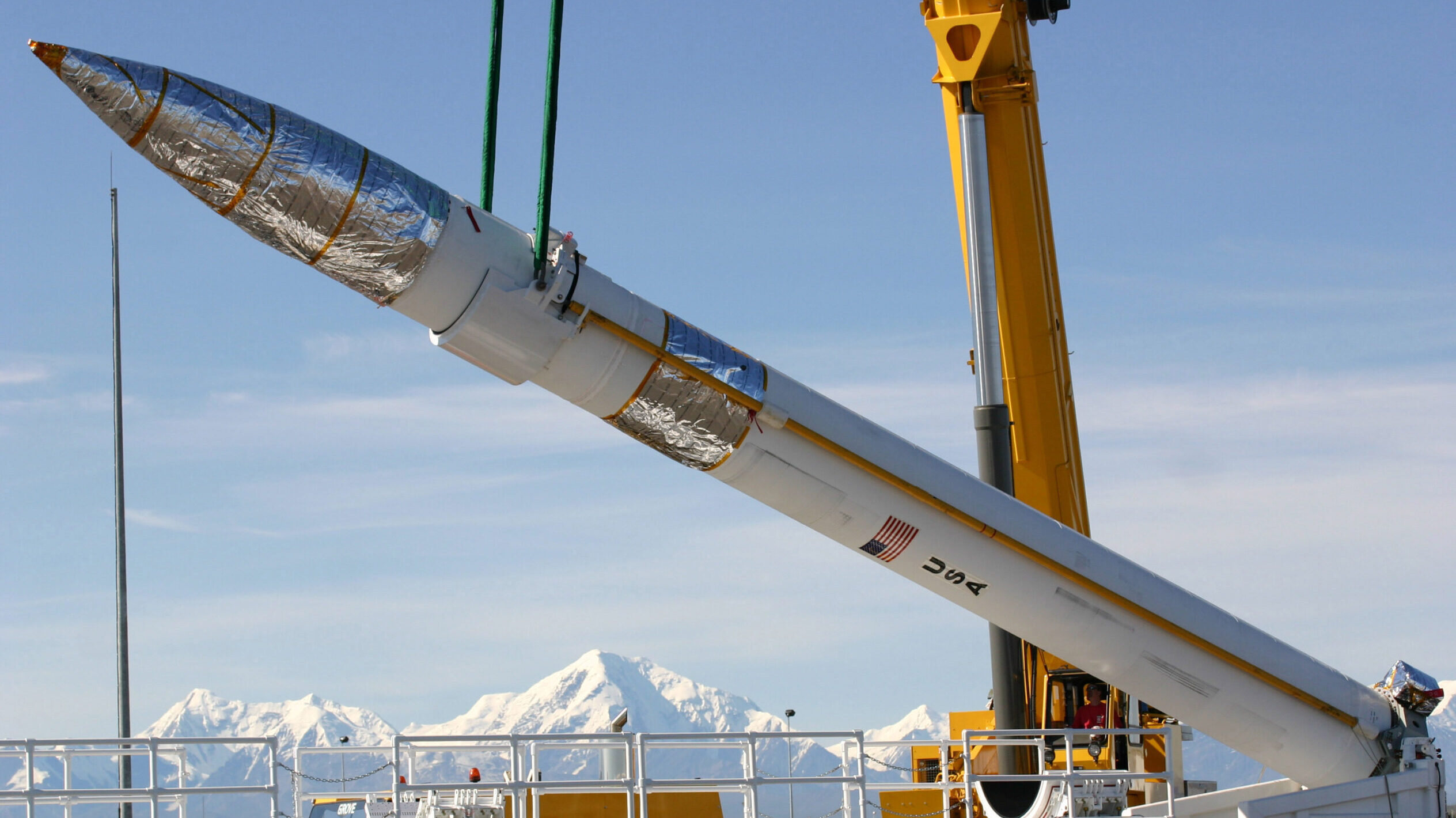
"Numbers matter, as does interceptor quality, but a mix of GBIs and NGIs alone does not provide a comprehensive approach to missile defense," write a trio of retired general officers. "We need to deploy our quality and quantity in a layered defense construct."


Traditional thinking about how to protect facilities must adapt to new threats such as drones or downstream attacks.

"I would say the United States should prove to ourselves that we can shoot something down before we buy more of a thing," said DoD Assistant Secretary for Space Policy John Plumb. "So, fly before you buy, if fly includes shooting a missile down to prove that it works."


Boeing is developing, modernizing, and adapting innovative solutions from Future Vertical Lift and unmanned systems to air and missile defense.

The two reviews were largely welcomed by more hawkish commentators and criticized by supporters of more robust approaches to nuclear arms control — with the latter lamenting that Biden has walked away from campaign promises to reduce US reliance on nuclear weapons.

The defense giant will integrate and modernize the weapons program for the Pentagon's intermediate and long-range Ground-based Midcourse Defense system.